If you have problems with voles or squirrels eating you bulbs you can use bulb cages to protect them. They are simple to make.
1) Cut a piece of wire to form the four sides of the box. Calculate the length of the wire by multiplying the width for the box size you want by four.
2) Bend the wire to for a box.
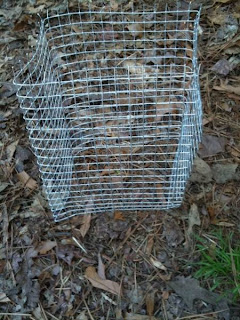
3) Bend the individual wires around the wire on the opposite end to secure the box.
4) Add a bottom and secure it the same way.
5) Dig a hole to bury the bulb cage.
5) Place in the location where you are planting your bulbs. You may leave some of the cage above ground or it may be just below ground lever or the mulch.
6) Fill the cage with soil and your bulb(s). Add a top.
You may want to use a wire that has larger holes for the top to allow larger stems of lilies or other bulbs.


 Posts
Posts


 These grow like weeds here in Central North Carolina. Does well with our 20/30f winters and our 100f and humid summers. They look best when kept clean by removing old limbs once they are finished blooming and allowing the new limbs to take their place. Although if you want it to grow into a big shruby mess with sporatic blooms through out the Summer you would only need to remove dead or damaged limbs.


 The heat and humidy has helped everything to grow fast but also brings mildew. Companion plantings of marigolds and basil help to reduce the threat of insects. The hot nights slow the blooming cycles of the peppers and tomatoes but once the nights cool they will begin blooming again!
